The gut-brain connection in MS: What science reveals

How Your Gut Microbiome Could Impact MS Symptoms | Enbiosis

Learn More

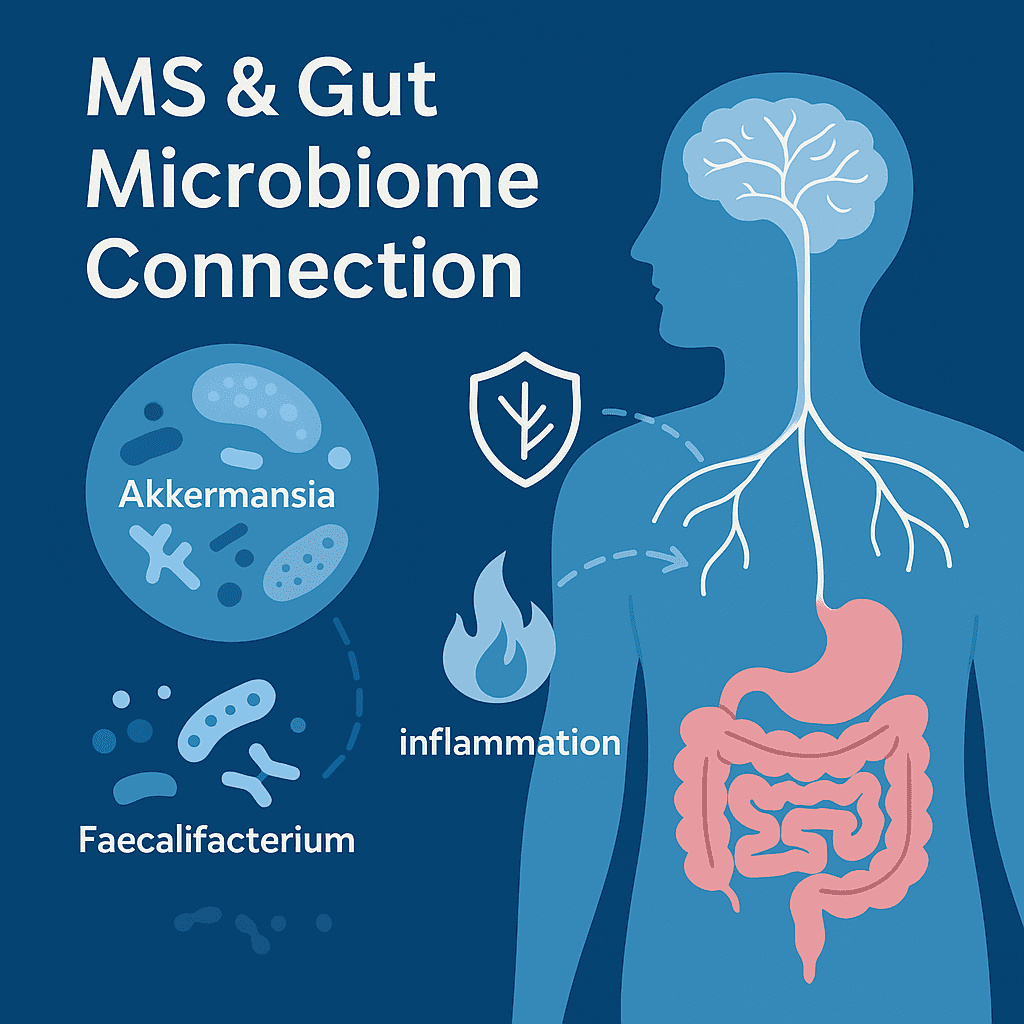
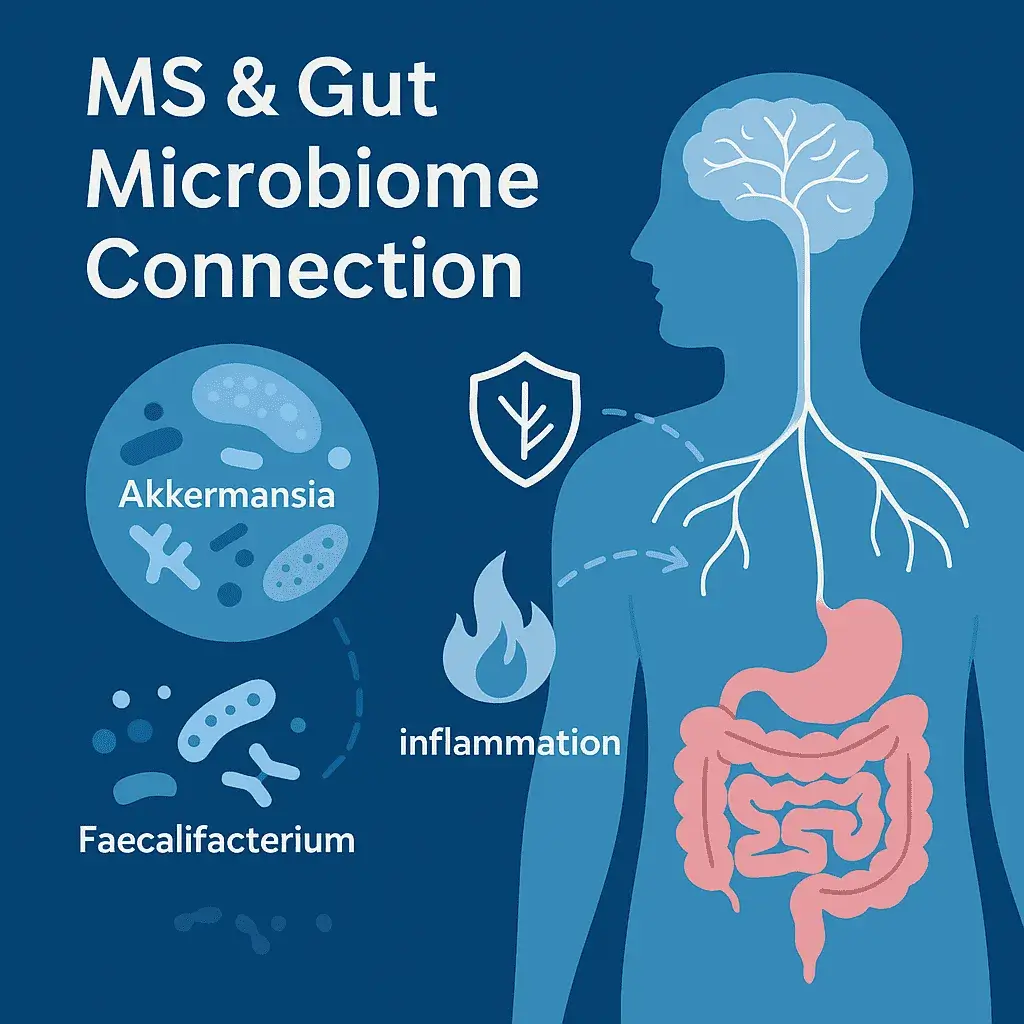
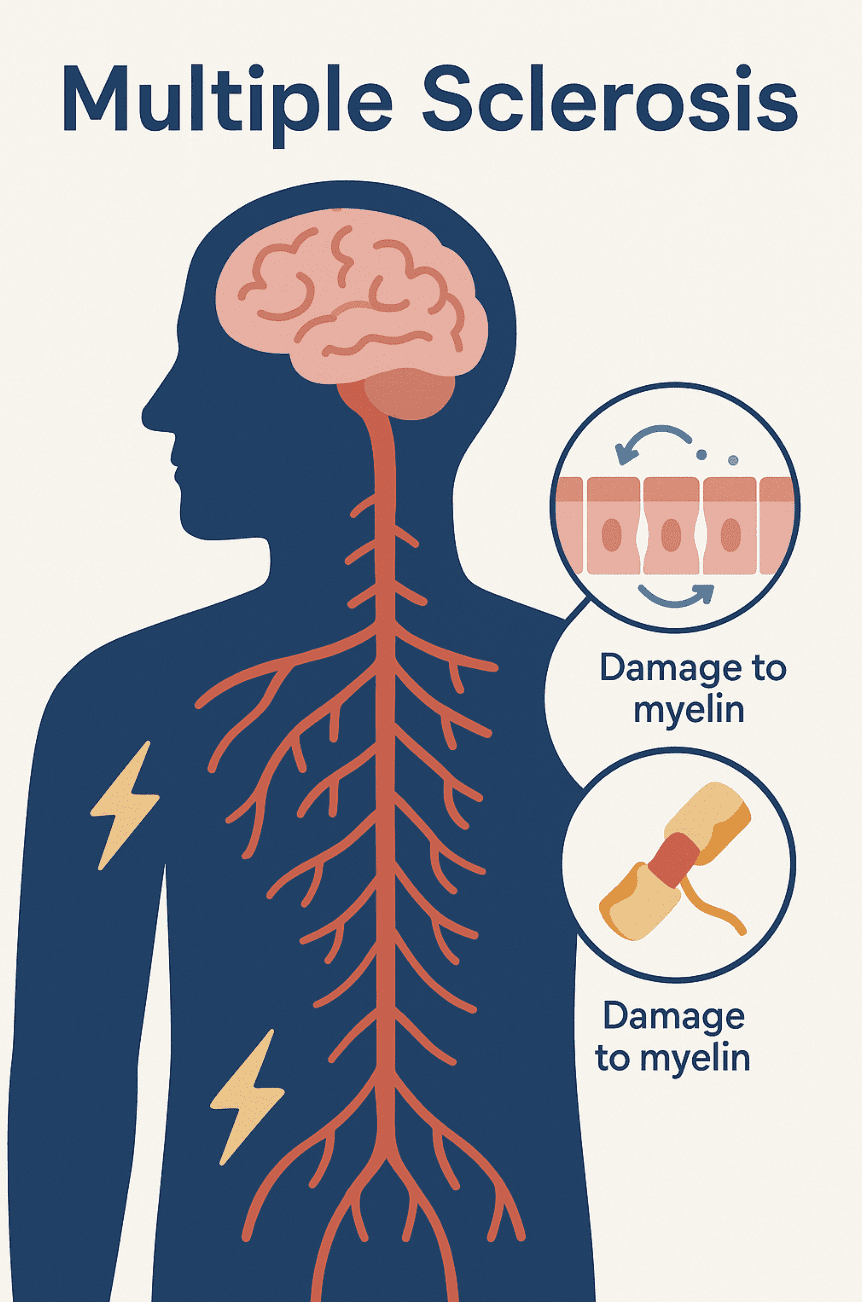
Multiple sclerosis (MS) is a chronic and unpredictable neurological condition which affects the central nervous system. It occurs when the immune system mistakenly attacks the protective cover surrounding nerve fibres, known as the myelin sheath. This disrupts vital nerve signals and can lead to long-term damage to the brain and spinal cord MS patients experience a diverse range of neurological symptoms, commonly including fatigue, numbness or tingling sensations in various parts of the body, muscle cramps, stiffness or spasms, mobility difficulties, vision problems, and cognitive changes. These symptoms can vary greatly from patient to patient and depend upon the location and extent of nerve damage. MS can be categorized into different types, which include relapsing/remitting, secondary progressive and primary progressive, each with its own distinct pattern of progression. At present there is no cure for the condition, however there are many treatments available that can help patients to manage their symptoms and slow disease progression. While researchers are still uncertain about the cause of MS, it is generally understood that the condition results from complex interactions between a person’s genetics and certain environmental factors that can influence activity of the immune system. One emerging area of interest is the gut microbiome, which plays a key role in regulating our immune responses and controlling systemic inflammation.

The Gut Microbiome and Multiple Sclerosis – What the Science Says
Recent research has highlighted distinct differences in the gut microbiota of individuals with MS compared to healthy controls. This includes alterations in the composition of gut microbial communities as well as changes in the types of metabolites that these microbes produce. Let’s take a closer look at what the science says:

Dysbiosis in MS

A consistent finding across numerous studies and reviews in this area is the presence of gut dysbiosis in individuals with MS. Reflecting this, a systematic literature review, published in 2023, highlighted key bacterial species which likely play a role in the pathogenesis of MS, including Pseudomonas, Mycoplasma, Haemophilus, Blautia, Dorea, Faecalibacterium, Methanobrevibacter, Akkermansia, and Desulfovibrionaceae (1).

Research studies have shown specific microbial shifts in MS patients. For example, in the International Multiple Sclerosis Microbiome Study (iMSMS), which compared the gut microbiome of 576 MS patients with genetically unrelated healthy household controls, researchers identified significantly increased levels of Akkermansia muciniphila, Ruthenibacterium lactatiformans, Hungatella hathewayi, and Eisenbergiella tayi and a decrease in the numbers of Faecalibacterium prausnitzii and Blautia species in MS patients (2).

Likewise, patients with both relapsing/remitting MS and progressive MS have been shown to have elevated levels of Clostridium bolteae, Ruthenibacterium lactatiformans, and Akkermansia and decreased Blautia wexlerae, Dorea formicigenerans, and Erysipelotrichaceae CCMM (3). In addition, patients with progressive MS had increased Enterobacteriaceae and Clostridium g24 FCEY and decreased Blautia and Agathobaculum. Interestingly, some types of Clostridium bacteria were linked to worse disability and fatigue, while increased Akkermansia was linked to less disability, suggesting it might actually be helpful in MS (2).

Further evidence detailing these microbial shifts comes from a study published recently in March 2025, which showed that patients with untreated, newly diagnosed multiple sclerosis had a significant reduction in gut bacteria coated with immunoglobulin A (IgA), compared to healthy controls. There were also notable changes in specific gut bacterial populations among MS patients. For instance, the relative abundance of Faecalibacterium prausnitzii was diminished, which was consistent with prior research. Conversely, Monoglobus pectinyliticus demonstrated an increased relative abundance and prevalence.

The Role of Microbial Metabolites

The changes in gut bacteria composition seen in MS are important because these microbes actively produce a vast array of metabolites as they digest food and perform their functions. These metabolites act like signals that can be absorbed into the bloodstream, travel throughout the body, and influence various processes, particularly immune and inflammatory responses.

A key group of beneficial metabolites produced by gut bacteria are short-chain fatty acids (SCFAs), such as butyrate, propionate, and acetate. SCFAs are vital for maintaining a healthy gut lining, possess anti-inflammatory properties, and help to regulate the immune system. Notably, studies frequently report lower levels of SCFAs and the bacteria that produce them in individuals with MS compared to healthy controls (5,6,7) These changes may potentially contribute to the inflammatory environment associated with MS.

enbiosis-practitioner-mobile

How Does the Gut Influence MS?

As the gut is intricately linked to many parts of the body, it can influence MS through several key pathways, which we will explore below:

Gut-Brain Axis

A two-way communication network exists between our gastrointestinal tract and central nervous system. In the context of MS, a dysbiotic gut environment can send signals via these pathways that may promote inflammation within the brain, influence the activity of immune cells in the CNS, and potentially affect the integrity of the blood-brain barrier (8).

Immune System Modulation

Around 70-80% of the body’s immune cells reside in the gut (9) and gut microbes are in constant dialogue with these, playing a crucial role in their development, training, and function. When our gut microbiome becomes imbalanced, this can impair immune regulation, leading to overactive immune responses or inflammation, which is characteristic of MS.

How Could Adjusting the Gut Microbiome Benefit MS?

Adjusting the gut microbiome through diet presents a promising approach in supporting the management of Multiple Sclerosis (MS), as diet is one of the most effective tools to influence both the composition and functionality of gut bacteria. Scientific research increasingly shows that gut dysbiosis — an imbalance in the gut microbial community — may contribute to MS progression by disrupting gut barrier integrity and promoting systemic inflammation. A healthy gut microbiome supports the production of beneficial metabolites such as short-chain fatty acids (SCFAs), like butyrate, which help maintain the gut lining’s protective function. When this barrier is compromised due to reduced SCFA production, harmful substances including bacterial components and undigested food particles can pass into the bloodstream, triggering immune responses and systemic inflammation — mechanisms closely linked to the autoimmune activity seen in MS (10).

Moreover, another key mechanism by which the gut microbiome may influence MS is through molecular mimicry. Certain bacterial species, when overrepresented in an imbalanced gut, may produce molecules that closely resemble components of human tissues, particularly the myelin sheath that insulates nerve fibers. This resemblance can mislead the immune system into attacking the body’s own myelin proteins, contributing to neurodegeneration in MS. Research has demonstrated similarities between microbial components from bacteria such as Lactobacillus and Clostridium and human myelin proteins like myelin basic protein (MBP) and myelin oligodendrocyte glycoprotein (MOG). This further supports the potential of targeted microbiome modulation strategies — particularly through personalized nutrition — in helping to reduce MS-related inflammation and slow disease progression.
c2a-report-mobile

How Could Adjusting the Gut Microbiome Benefit MS?

Diet is one of the most powerful tools we have to influence our gut microbial communities, including which bacteria are present in our gut and their functioning. Indeed, numerous scientific studies consistently highlight the promising effect that diet can have on MS disease activity and progression (11,12,13)

In order to optimize the potential impact that diet can have on MS patients, it is important that we fully understand an individual’s specific microbial landscape. Personalized nutrition, guided by microbiome analysis, can help to achieve this tailored approach. Instead of providing patients with broad dietary recommendations, microbiome testing helps to inform tailored diet plans. This targeted dietary and lifestyle advice can help to encourage the growth of beneficial bacteria, boost the production of helpful metabolites and rebalance the gut towards a more favorable overall microbial community.

Personalizing MS Management with ENBIOSIS

Managing MS is a complex journey, usually requiring an approach which combines medical treatments, lifestyle and dietary adjustments, and other supportive strategies. As discussed in this article, the gut microbiome is considered a key contributor to the inflammatory processes seen in MS. And so, diet may be an important modulator of the condition, as it directly influences the gut microbiome.

At Enbiosis, we offer advanced gut microbiome analysis using cutting-edge sequencing technology combined with sophisticated AI-powered algorithms. This allows us to generate a detailed picture of an individual’s unique gut ecosystem, which we translate into practical and actionable personalized nutrition recommendations.

Visit our website to find out more about Enbiosis’s approach, or contact us via our contact page if you have any specific questions.

Learn More

References:

1. Dunalska, A., Saramak, K., & Szejko, N. (2023). The Role of Gut Microbiome in the Pathogenesis of Multiple Sclerosis and Related Disorders. Cells, 12(13), 1760.
2. Zhou, X., Baumann, R., Gao, X., Mendoza, M., Singh, S., Katz Sand, I., Xia, Z., Cox, L. M., Chitnis, T., Yoon, H., Moles, L., Caillier, S. J., Santaniello, A., Ackermann, G., Harroud, A., Lincoln, R., Gomez, R., González Peña, A., Digga, E., … Baranzini, S. E. (2022). Gut microbiome of multiple sclerosis patients and paired household healthy controls reveal associations with disease risk and course. Cell, 185(19), 3467–3486.e16.
3. Cox, L. M., Maghzi, A. H., Liu, S., Tankou, S. K., Dhang, F. H., Willocq, V., Song, A., Wasén, C., Tauhid, S., Chu, R., Anderson, M. C., De Jager, P. L., Polgar-Turcsanyi, M., Healy, B. C., Glanz, B. I., Bakshi, R., Chitnis, T., & Weiner, H. L. (2021). Gut Microbiome in Progressive Multiple Sclerosis. Annals of Neurology, 89(6), 1195-1211.
4  Gupta, V. K., Janda, G. S., Pump, H. K., Lele, N., Cruz, I., Cohen, I., Ruff, W. E., Hafler, D. A., Sung, J., & Longbrake, E. E. (2025). Alterations in gut microbiome-host relationships after immune perturbation in patients with multiple sclerosis. Neurology: Neuroimmunology & Neuroinflammation, 12(2).
5. Levi, I., et al. (2025). Potential role of indolelactate and butyrate in multiple sclerosis revealed by integrated microbiome-metabolome analysis. Cell Reports Medicine, 2(4), Article 100246.
6. Ling, Z., Cheng, Y., Yan, X., Shao, L., Liu, X., Zhou, D., Zhang, L., Yu, K., & Zhao, L. (2020). Alterations of the Fecal Microbiota in Chinese Patients With Multiple Sclerosis. Frontiers in Immunology, 11, 590783.
7. Moles, L., Delgado, S., Gorostidi-Aicua, M., Sepúlveda, L., Alberro, A., Iparraguirre, L., Suárez, J. A., Romarate, L., Arruti, M., Muñoz-Culla, M., Castillo-Triviño, T., Otaegui, D., & Microbiome Study Consortium, M. S. (2022). Microbial dysbiosis and lack of SCFA production in a Spanish cohort of patients with multiple sclerosis. Frontiers in Immunology, 13, 960761.
8. Parodi, B. (2021). The Gut-Brain Axis in Multiple Sclerosis. Is Its Dysfunction a Pathological Trigger or a Consequence of the Disease? Frontiers in Immunology, 12, 718220. Wiertsema, S. P., Garssen, J., & J Knippels, L. M. (2021).
9. The Interplay between the Gut Microbiome and the Immune System in the Context of Infectious Diseases throughout Life and the Role of Nutrition in Optimizing Treatment Strategies. Nutrients, 13(3), 886.
10. Bigdeli, A., Ghaderi-Zefrehei, M., Lesch, B. J., Behmanesh, M., & Arab, S. S. (2024). Bioinformatics analysis of myelin-microbe interactions suggests multiple types of molecular mimicry in the pathogenesis of multiple sclerosis. PLOS ONE, 19(12), e0308817.
11. Stoiloudis, P., Kesidou, E., Bakirtzis, C., Sintila, A., Konstantinidou, N., Boziki, M., & Grigoriadis, N. (2022). The Role of Diet and Interventions on Multiple Sclerosis: A Review. Nutrients, 14(6), 1150.
12. Nan, H. (2024). Causal effects of dietary composition on multiple sclerosis risk and severity: A Mendelian randomization study. Frontiers in Nutrition, 11, 1410745.
13. Krivić, A. D., Begagić, E., Hadžić, S., Bećirović, A., Bećirović, E., Hibić, H., Lihić, L. T., Vukas, S. K., Bečulić, H., Kasapović, T., & Pojskić, M. (2025). Unveiling the Important Role of Gut Microbiota and Diet in Multiple Sclerosis. Brain Sciences, 15(3), 253.


enbiosis-practitioner-mobile

A conexão intestino-cérebro: desbloqueando a prevenção do Alzheimer!

Como o Microbioma Intestinal Influencia a Doença de Alzheimer?

Saiba Mais

A doença de Alzheimer é uma forma de demência, uma condição que afeta mais de 55 milhões de pessoas em todo o mundo, com casos esperados para aumentar para 139 milhões até 2050 (1). Como a principal causa de demência, a doença de Alzheimer representa entre 60 e 70% desses casos (2). Assim como outros tipos de demência, esse distúrbio neurodegenerativo devastador é caracterizado por perda de memória, declínio cognitivo, problemas de linguagem e alterações comportamentais.

Apesar de décadas de pesquisa sobre Alzheimer e demência, atualmente não há cura, e os tratamentos médicos oferecem apenas alívio limitado. Mas e se a chave para retardar ou até mesmo prevenir o Alzheimer não estiver apenas no cérebro, mas no intestino? Tradicionalmente, a pesquisa se concentrou nos efeitos de fatores genéticos na patologia cerebral, mas os pesquisadores agora estão voltando sua atenção para outro lugar—os micróbios que vivem em nosso sistema digestivo.

Como o Microbioma Intestinal Afeta a Saúde Cognitiva?

Nosso microbioma intestinal tem um profundo efeito em muitos aspectos de nossa saúde, incluindo a função cerebral. Os micróbios em nosso intestino se comunicam com nosso cérebro por meio de um sistema complexo conhecido como eixo intestino-cérebro. Isso significa que mudanças na composição do nosso microbioma intestinal podem influenciar nosso humor, comportamento e funções cognitivas. Uma das principais maneiras pelas quais o microbioma intestinal influencia nossa saúde cognitiva é modulando nosso sistema imunológico. O intestino abriga entre 70 e 80% das células imunológicas do nosso corpo (3), e desequilíbrios em nossas bactérias intestinais podem levar à inflamação crônica. Essa inflamação pode desencadear neuroinflamação no cérebro, um fator que se acredita contribuir para o declínio cognitivo associado a doenças neurodegenerativas como o Alzheimer. (4)

O microbioma intestinal também regula a produção, movimento e função de neurotransmissores-chave em nosso cérebro, incluindo serotonina, dopamina e ácido gama-aminobutírico (GABA) (5). A disbiose intestinal, ou um desequilíbrio de bactérias intestinais, pode perturbar a produção desses neurotransmissores importantes.

Além disso, o microbioma intestinal e seus metabólitos têm um impacto na integridade da barreira hematoencefálica (BHE), que atua como um escudo seletivo, protegendo o cérebro de substâncias nocivas. Quando o microbioma está desequilibrado, pode aumentar a permeabilidade da BHE, permitindo que compostos nocivos entrem no cérebro (6). Esses compostos podem promover inflamação e danos ao tecido cerebral. Evidências recentes também sugerem que nossos micróbios intestinais podem estar envolvidos na produção e regulação da beta-amiloide (Aβ), uma proteína-chave ligada à doença de Alzheimer (7). O acúmulo de proteínas Aβ no cérebro forma placas amiloides, uma das características marcantes do Alzheimer.

Por fim, o microbioma intestinal produz ácidos graxos de cadeia curta (AGCCs), como ácido acético, ácido propiônico e ácido butírico, durante a fermentação de fibras alimentares. Os AGCCs têm propriedades anti-inflamatórias e ajudam a proteger o cérebro de doenças neurodegenerativas, regulando vias inflamatórias, bem como a formação de placas amiloides e a hiperfosforilação da proteína tau. (8)

enbiosis-practitioner-mobile

Alzheimer e Disbiose Intestinal: O Que Diz a Ciência?

Vários estudos demonstraram diferenças distintas nos microbiomas intestinais de pacientes com Alzheimer em comparação com os de controles saudáveis. Essas diferenças geralmente envolvem uma redução na diversidade microbiana intestinal, bem como alterações significativas na abundância relativa de espécies bacterianas específicas.

Por exemplo, um estudo demonstrou que pacientes com doença de Alzheimer (DA) têm uma população de microbioma intestinal distinta daquela de controles pareados por sexo e idade. Foi observada uma redução acentuada na diversidade geral do microbioma, com níveis diminuídos de Firmicutes e Bifidobacterium e um aumento correspondente em Bacteroidetes (9). Outro estudo encontrou níveis mais baixos de Firmicutes e aumento de Proteobacteria em pacientes com DA (10)

Mais especificamente, um estudo identificou uma diminuição significativa em bactérias produtoras de butirato, como Faecalibacterium em pacientes com DA, juntamente com um aumento acentuado em bactérias produtoras de lactato, incluindo Bifidobacterium (11). Como o butirato desempenha um papel fundamental na redução da inflamação e na manutenção da integridade da barreira intestinal, sua depleção pode contribuir para a inflamação sistêmica observada na doença de Alzheimer.

Mais evidências desse vínculo inflamatório vêm de pesquisas que mostram um aumento significativo em bactérias pró-inflamatórias, incluindo Escherichia e Shigella e uma redução na espécie anti-inflamatória Eubacterium rectale em indivíduos com comprometimento cognitivo e amiloidose cerebral (12) Isso sugere que a disbiose intestinal pode desencadear um estado inflamatório crônico que exacerba a neurodegeneração.

Importante destacar que a disbiose intestinal não surge apenas no estágio avançado do Alzheimer—ela aparece no início do processo da doença e piora com o tempo. Estudos indicam que pacientes recém-diagnosticados com DA já apresentam desequilíbrios no microbioma intestinal, incluindo uma diminuição em bactérias potencialmente protetoras, como Bacteroides e um aumento em espécies pró-inflamatórias, como Prevotella (13)

Notavelmente, outro estudo demonstrou que a composição do microbioma intestinal muda progressivamente com o aumento da gravidade da doença de Alzheimer. À medida que o comprometimento cognitivo piorava, a abundância de Firmicutes e Bacteroides no intestino diminuía gradualmente, enquanto os níveis de Proteobacteria, Verrucomicrobia e Actinobacteria aumentavam (14). Essas mudanças destacam uma assinatura microbiana clara associada à progressão da doença, reforçando o potencial papel da disbiose intestinal na neurodegeneração.

Coletivamente, essas descobertas indicam que os desequilíbrios do microbioma intestinal não estão apenas presentes na doença de Alzheimer—eles surgem no início e evoluem à medida que a doença piora. Isso levanta uma questão importante: modificar o microbioma intestinal poderia ajudar a retardar ou até mesmo prevenir o declínio cognitivo?

Restaurar o Microbioma Intestinal Pode Ajudar a Proteger o Cérebro?

Modificações dietéticas podem influenciar significativamente nosso microbioma intestinal e, por extensão, nossa saúde cerebral. Nos últimos anos, um crescente corpo de pesquisa apoia a ideia de que modular nosso microbioma intestinal por meio de mudanças informadas na dieta e no estilo de vida oferece um potencial promissor para proteger nosso cérebro de doenças neurodegenerativas como Alzheimer e demência.

Em apoio a isso, um artigo de revisão de 2023 destaca o potencial promissor de terapias direcionadas ao microbioma intestinal na melhoria dos resultados para pacientes com Alzheimer. As descobertas revisadas indicam uma relação significativa entre a saúde intestinal e a progressão da DA, sugerindo que restaurar um microbioma intestinal saudável pode aliviar os sintomas e retardar o desenvolvimento da doença. Várias intervenções, incluindo probióticos, prebióticos e simbióticos, são exploradas como estratégias terapêuticas potenciais, com dados encorajadores de estudos pré-clínicos iniciais e alguns estudos clínicos. (15)

No entanto, para maximizar a eficiência das terapias direcionadas ao microbioma, uma abordagem personalizada é crucial. O microbioma de cada indivíduo é único, e isso significa que adaptar as intervenções ao perfil intestinal específico de uma pessoa produzirá os melhores resultados. Por exemplo, diferentes cepas probióticas podem ter efeitos variados na função cognitiva. Isso foi demonstrado em um estudo de 2022, no qual 90 pacientes com DA leve a moderada receberam suplementos de Lactobacillus rhamnosus ou Bifidobacterium longum ou um placebo, duas vezes ao dia, durante 12 semanas (16). Os participantes que tomaram o suplemento probiótico B. longum apresentaram uma melhora maior na cognição em comparação com os grupos placebo e L. rhamnosus. Isso destaca a importância de testar seu microbioma, pois pode revelar bactérias que estão em falta ou em excesso, permitindo intervenções direcionadas com maior probabilidade de serem eficazes.

A Abordagem da Enbiosis para a Saúde Cerebral Baseada na Ciência

Na Enbiosis, oferecemos um serviço avançado de teste de microbioma intestinal com tecnologia de IA que ajuda a identificar desequilíbrios que podem estar afetando sua saúde cerebral. Fornecemos insights sobre sua saúde intestinal, além de recomendações personalizadas de alimentos, prebióticos e probióticos, tudo respaldado pelas mais recentes pesquisas científicas. Entre em contato conosco hoje para saber mais sobre nossa abordagem e descobrir como podemos apoiá-lo com nossas soluções baseadas em evidências.

Saiba Mais

Referências

1 World Health Organization. (‎2021)‎. Global status report on the public health response to dementia. World Health Organization. https://digitalcommons.fiu.edu/srhreports/health/health/65/
2 World Health Organization. (2023). Dementia. https://www.who.int/news-room/fact-sheets/detail/dementia
3 Wiertsema, S. P., Garssen, J., & J Knippels, L. M. (2021). The Interplay between the Gut Microbiome and the Immune System in the Context of Infectious Diseases throughout Life and the Role of Nutrition in Optimizing Treatment Strategies. Nutrients, 13(3), 886.
4 Heneka, M. T., M., W., Jessen, F., Hoozemanns, J., Thal, D. R., Boche, D., Brosseron, F., Teunissen, C., Zetterberg, H., Jacobs, A. H., Edison, P., Ramirez, A., Cruchaga, C., Lambert, J., Laza, A. R., Vicente, J., Fischer, A., Stein, T. D., Kleineidam, L., Riechers, S et al. (2024). Neuroinflammation in Alzheimer disease. Nature Reviews Immunology, 1-32.
5 Chen, Y., Xu, J., & Chen, Y. (2021). Regulation of Neurotransmitters by the Gut Microbiota and Effects on Cognition in Neurological Disorders. Nutrients, 13.
6 Xie, J., Bruggeman, A., De Nolf, C., Vandendriessche, C., Van Imschoot, G., Van Wonterghem, E., Vereecke, L., & Vandenbroucke, R. E. (2023). Gut microbiota regulates blood‐cerebrospinal fluid barrier function and Aβ pathology. EMBO Journal, 42(17), e111515.
6 Jin, J., Xu, Z., Zhang, L., Zhang, C., Zhao, X., Mao, Y., Zhang, H., Liang, X., Wu, J., Yang, Y., & Zhang, J. (2023). Gut-derived β-amyloid: Likely a centerpiece of the gut–brain axis contributing to Alzheimer’s pathogenesis. Gut Microbes, 15(1), 2167172
7 Qian, X. H., Xie, R. Y., Liu, X. L., Chen, S. D., & Tang, H. D. (2022). Mechanisms of Short-Chain Fatty Acids Derived from Gut Microbiota in Alzheimer’s Disease. Aging and Disease, 13(4), 1252–1266.
8 Vogt, N. M., Kerby, R. L., Dill-McFarland, K. A., Harding, S. J., Merluzzi, A. P., Johnson, S. C., Carlsson, C. M., Asthana, S., Zetterberg, H., Blennow, K., Bendlin, B. B., & Rey, F. E. (2017). Gut microbiome alterations in Alzheimer’s disease. Scientific Reports, 7, 13537.
9 Liu, P., Wu, L., Peng, G., Han, Y., Tang, R., Ge, J., Zhang, L., Jia, L., Yue, S., Zhou, K., Li, L., Luo, B., & Wang, B. (2019). Altered microbiomes distinguish Alzheimer’s disease from amnestic mild cognitive impairment and health in a Chinese cohort. Brain, Behavior, and Immunity, 80, 633-643.
10 Ling, Z., Zhu, M., Yan, X., Cheng, Y., Shao, L., Liu, X., Jiang, R., & Wu, S. (2021). Structural and Functional Dysbiosis of Fecal Microbiota in Chinese Patients With Alzheimer’s Disease. Frontiers in Cell and Developmental Biology, 8, 634069.
11 Cattaneo, A., Cattane, N., Galluzzi, S., Provasi, S., Lopizzo, N., Festari, C., Ferrari, C., Guerra, U. P., Paghera, B., Muscio, C., Bianchetti, A., Volta, G. D., Turla, M., Cotelli, M. S., Gennuso, M., Prelle, A., Zanetti, O., Lussignoli, G., Mirabile, D., Bellandi, D., et al. (2017). Association of brain amyloidosis with pro-inflammatory gut bacterial taxa and peripheral inflammation markers in cognitively impaired elderly. Neurobiology of Aging, 49, 60–68.
12 Guo, M., Peng, J., Huang, X., Xiao, L., Huang, F., & Zuo, Z. (2021). Gut Microbiome Features of Chinese Patients Newly Diagnosed with Alzheimer’s Disease or Mild Cognitive Impairment. Journal of Alzheimer’s disease : JAD, 80(1), 299–310.
13 Chen, L., Xu, X., Wu, X., Cao, H., Li, X., Hou, Z., Wang, B., Liu, J., Ji, X., Zhang, P., & Li, H. (2022). A comparison of the composition and functions of the oral and gut microbiotas in Alzheimer’s patients. Frontiers in Cellular and Infection Microbiology, 12, 942460.
14 Zhang, T., Gao, G., Kwok, L. Y., & Sun, Z. (2023). Gut microbiome-targeted therapies for Alzheimer’s disease. Gut microbes, 15(2), 2271613.
15 Akhgarjand, C., Vahabi, Z., Etesam, F., & Djafarian, K. (2022). Effects of probiotic supplements on cognition, anxiety, and physical activity in subjects with mild and moderate Alzheimer’s disease: A randomized, double-blind, and placebo-controlled study. Frontiers in Aging Neuroscience, 14, 1032494.

enbiosis-practitioner-mobile
Cookies are placed on our site. For detailed information about cookies, you can review the Terms of Use and Privacy Policy.
Please select the partner in your region to get your microbome analysis.
Your country is not listed? If interested to become a partner to spread this new health technology in your region please click here.
For other issues feel free to contact our Support.